
How Long Does Crawl Space Encapsulation Last
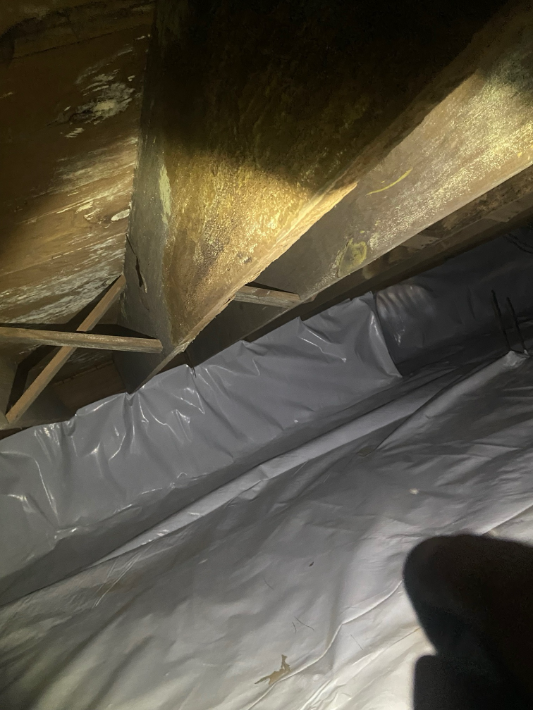
Crawl space encapsulation is a long-lasting moisture control solution because it seals out humidity and protects your home’s structure with durable vapor barriers and controlled airflow.
Crawl space encapsulation is one of those projects that doesn’t get nearly enough credit. Because it is out of sight, which means most homeowners never think about it until they see signs of moisture, musty odors, or high energy bills. When a homeowner does consider investing in encapsulation, the first question most ask is, “How long is it going to last?”
In general, a properly installed crawl space encapsulation system can last 20 years or more, depending on the quality of the materials used, the thoroughness of the installation, and how well the system is maintained over time.
To ensure our customers get maximum years out of their system, we make sure to educate them on the importance of maintaining a dry environment, protecting the vapor barrier from damage, and scheduling regular inspections. Foremost Foundations and Construction provides the highest quality results using thick, high-quality vapor barriers, ensuring proper sealing of seams and foundation walls, and recommending other moisture control solutions such as dehumidifiers and sump pumps.
Before investing in crawl space encapsulation in Mississippi, let’s take a look at how long this project should last and ways to extend its lifespan.
What Does Crawl Space Encapsulation Involve?
To have a better understanding of the longevity of crawl space encapsulation, it helps to understand what this system includes. Most people are surprised to learn that encapsulation is more than just laying down a sheet of plastic.
A full crawl space encapsulation typically involves sealing the crawl space vents, installing a heavy-duty vapor barrier across the floor and up the walls, and sealing any gaps where pipes and beams enter the space. A dehumidifier is often added as well to manage moisture-levels throughout the year.
When all these components are in place and working together, the crawl space is converted from an open, moisture-prone environment into a sealed, conditioned space. With that in mind, it’s important to know that each component has its own lifespan. It’s usually the weakest link that determines how long the system lasts.
The Vapor Barrier: The Heart of the System
The “heart” of the system is the vapor barrier. It’s the most critical component of any encapsulation job, which is why thickness makes all the difference. Vapor barriers are rated by mil thickness, which tells you how thick the plastic sheeting is. A budget barrier that’s 6-mil thick is going to perform very differently from a professional-grade one at 20-mil.
Thicker barriers are ideal because they resist punctures from foot traffic, pest activity, and debris. They also hold up better against minor abrasions that can occur when someone accesses the crawl space for maintenance. Furthermore, they maintain their integrity against moisture and UV exposure longer than thinner alternatives.
A premium-grade vapor barrier installed correctly—sealed at seams, secured at walls, and wrapped around columns and piers—should easily last 20 years or more without needing to be replaced. On the other hand, a thinner, improperly installed barrier may begin failing within 5 to 10 years.
The Dehumidifier: Active Moisture Control
Even a perfectly sealed vapor barrier can’t prevent all moisture from getting into the crawl space. When water vapor migrates through concrete, some humidity finds its way in. This is why having a crawl space dehumidifier is an important piece to the solution. It works continuously to keep relative humidity at a level that prevents mold growth, wood rot, and pest activity.
Dehumidifiers in crawl space environments work hard. They run all the time and operate in conditions that aren’t always gentle, so you’ll want to ensure that your system is sized correctly for the volume of space it's managing. A quality unit, properly sized and regularly maintained, can last 10 to 15 years. Keep in mind that filters need cleaning, drainage lines must stay clear, and the unit should receive regular inspections.
What Shortens Encapsulation Lifespan
A few factors can reduce the effective life of a crawl space encapsulation system:
Poor installation. Gaps in the vapor barrier, unsealed vents, and improperly sealed gaps allow moisture to get through. The installation quality on day one has the biggest impact on how long everything lasts.
Pest damage. Rodents especially can damage vapor barriers. A crawl space encapsulation that doesn't address existing pest entry points is vulnerable.
Drainage issues above ground. If water is pooling against the foundation due to poor grading or failed gutters, it creates constant hydrostatic pressure that works against the encapsulation system. Addressing above-ground drainage is part of protecting what's below.
Deferred maintenance. Skipping annual inspections means small problems go unaddressed until they become expensive ones. Regular maintenance keeps an eye out for liner damage, struggling dehumidifiers, or developing pest issues.
Improve the Health of Your Home with Crawl Space Encapsulation in Mississippi
The factors that shorten encapsulation lifespan are largely controllable. An annual crawl space inspection, routine dehumidifier maintenance, and prompt attention to any new moisture symptoms are the habits that turn a 10-year encapsulation life span into a 20-year one.
At Foremost Foundations and Construction, we install encapsulation systems built to last using professional-grade materials, thorough sealing, and honest guidance on the maintenance your specific crawl space requires. We also offer inspections for existing encapsulation systems, so you can know exactly where your system stands before a small issue becomes a bigger one.
Thinking about crawl space encapsulation or concerned about an existing system? Contact Foremost Foundations and Construction for a free crawl space assessment at 601-405-1052 and get straightforward answers about the requirements for your home.
5 Frequently Asked Questions
1. How long does crawl space encapsulation last?
A properly installed crawl space encapsulation system can last 20 years or more, depending on material quality, installation, and maintenance.
2. What is the most important part of crawl space encapsulation?
The vapor barrier is the most critical component because it prevents moisture from entering and protects the crawl space environment.
3. Does a crawl space dehumidifier need maintenance?
Yes, regular maintenance such as cleaning filters and checking drainage lines helps ensure the dehumidifier lasts 10–15 years and performs efficiently.
4. What can shorten the lifespan of crawl space encapsulation?
Poor installation, pest damage, drainage issues, and lack of maintenance can significantly reduce the lifespan of an encapsulation system.
5. Is crawl space encapsulation worth the investment?
Yes, crawl space encapsulation improves energy efficiency, prevents moisture damage, and enhances indoor air quality, making it a valuable long-term investment.


Comments